
Company Website
www.methnutrition.com
Company Introduction
METHUNUTRITION was founded in 2012. It is a large-scale medical nutrition
technology enterprise integrating R&D, academic research, sales, and service.
It is in Zhangjiang International Medical Park, Shanghai. We currently have two
production bases: the low-GI food production base in Luohe, Henan Province,
and FMSP production base in Taizhou, Jiangsu Province.
Adhering to the scientific concept that different people need different nutrition,
and different diseases need different nutrition, METHUNUTRITION has
developed three series of medical nutrition products: FMSP, Low Gi food, and
Energy control food. The sales network covers 31 provinces and cities across
the country, 900 Class-A Public Hospitals nationwide, and has served a total of
10 million users.
Product concept, highlights and added value
1. Dietary therapy is the foundation for treating diabetes and should be strictly adhered to over the long term. Through dietary intervention, balanced nutrition, combined with exercise and medication, blood sugar levels can be controlled within an ideal range, achieving comprehensive metabolic regulation. This effectively prevents and manages various acute and chronic complications of diabetes, improving the patient's overall health condition.
2. Patients with diabetes should reasonably control total caloric intake, reduce consumption of monosaccharides and disaccharides, limit high glycemic index foods, appropriately restrict fat intake, select adequate high-quality protein, and increase dietary fiber intake.
3、 "Diabetes" must be translated as diabetes. The original text: 3. Dietary fiber is also a polysaccharide, including soluble and insoluble dietary fiber. Since it cannot be digested and absorbed in the gastrointestinal tract and does not generate calories, while delaying the absorption of blood sugar and lipids, maintaining smooth bowel movements, and reducing hunger, diabetic patients should increase their daily intake of dietary fiber. For instance, resistant dextrin can significantly inhibit the rise of blood sugar and insulin by delaying and inhibiting the digestion and absorption of sugars in the small intestine, while altering the secretion of gastrointestinal hormones, such as reducing bile secretion, thereby suppressing sugar absorption. Resistant dextrin also inhibits the action of amylase on starch, prolonging the time the enzyme acts on starch, leading to slower glucose release and thus lowering blood sugar levels.
Product Images
Please briefly describe how your product communicates with consumers
1. Accurately target the intended audience and address health concerns
R1: "Diabetes" must be translated as diabetes.
- Target users: Diabetic patients, individuals with high blood sugar levels, and consumers with strong awareness of blood sugar control.
R1: "Diabetes" must be translated as diabetes.
Original:
- Communication Core: Emphasize keywords such as "low glycemic," "low GI," and "high dietary fiber," directly addressing the concerns of diabetic patients like "Can I eat snacks?" and "How to control blood sugar," offering a "peace-of-mind" solution.
Translation:.
II. Establish Product Credibility Based on Science
- Formula Design:
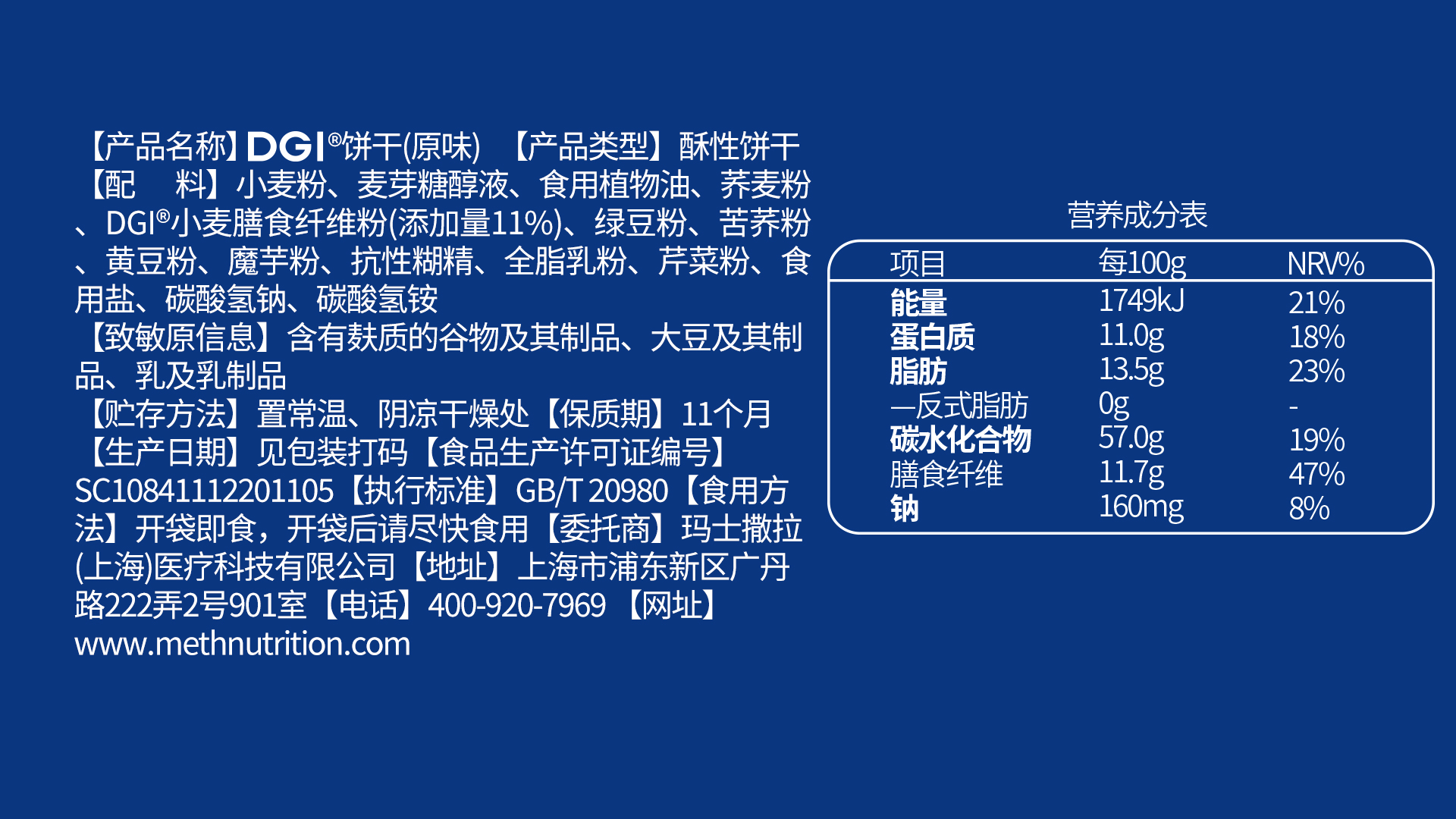
- Replace traditional sugars with maltitol syrup to reduce the intake of monosaccharides and disaccharides.
- Add resistant dextrin (a type of dietary fiber), clearly explain its scientific mechanisms of "delaying blood sugar rise" and "inhibiting amylase activity," and align with the dietary therapy recommendation of "increasing dietary fiber intake.".
- Emphasizes zero trans fat, aligning with the dietary principle of "limiting unhealthy fats.".
- Clear identification:
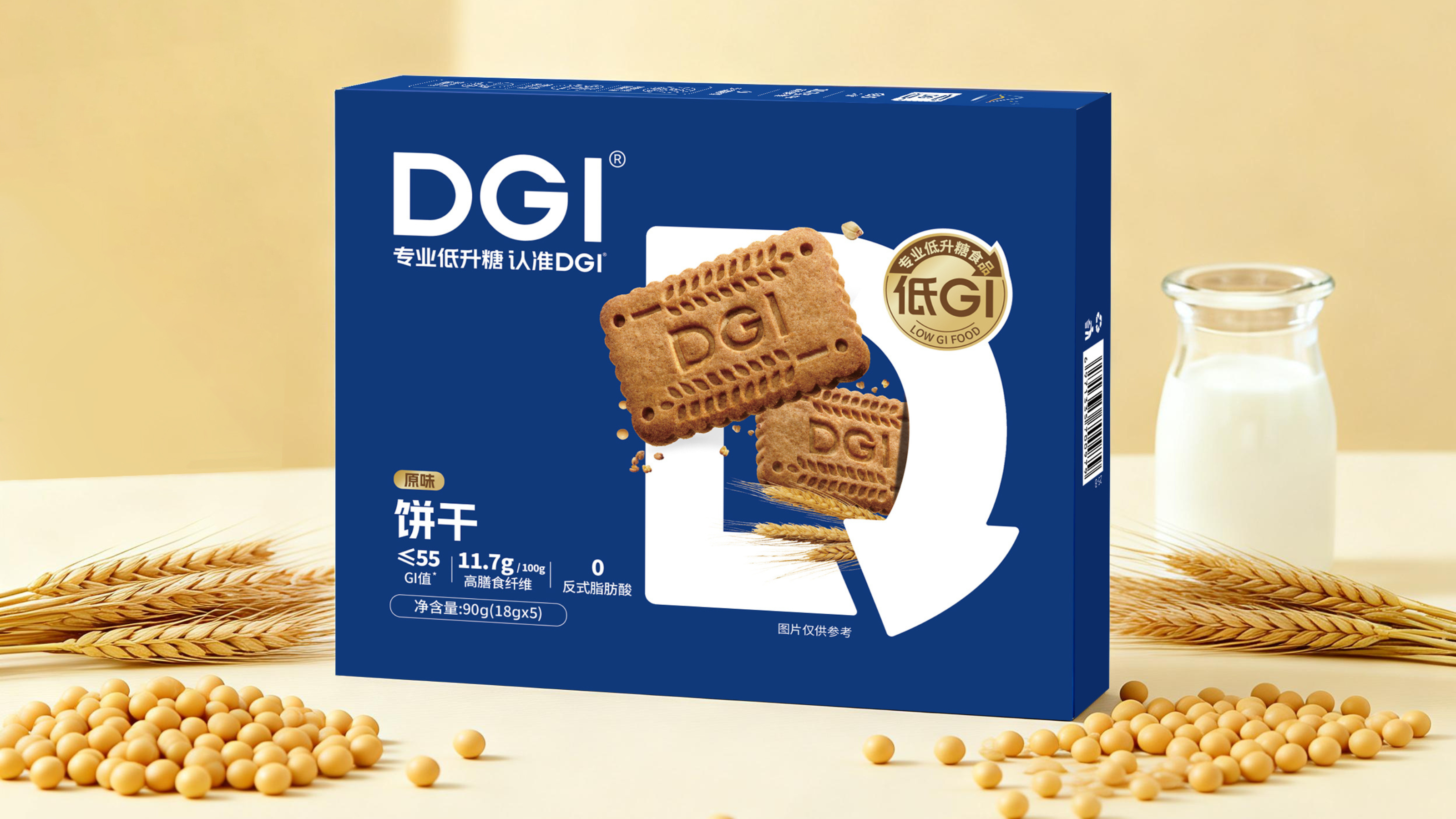
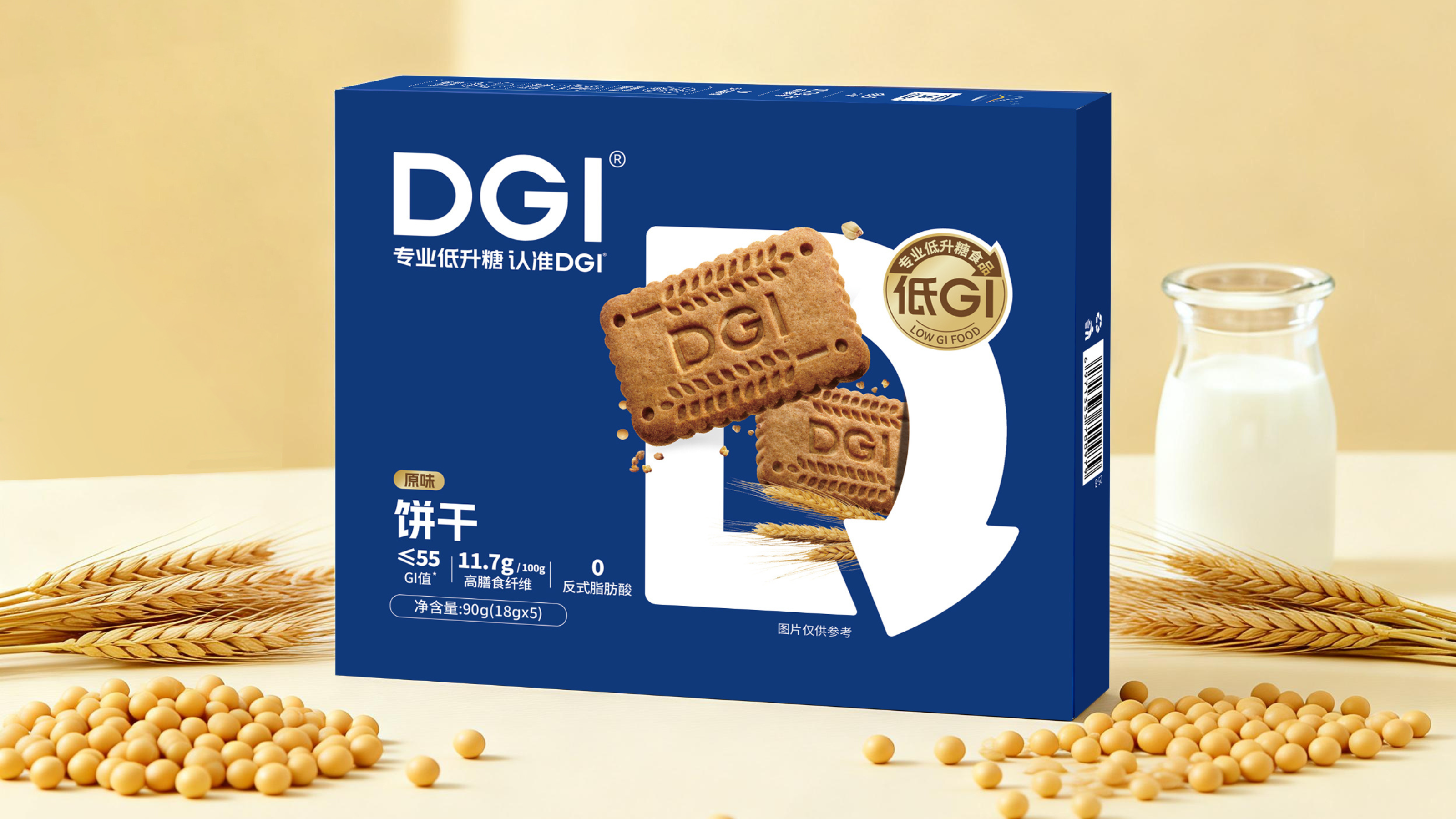
The packaging prominently features symbolic information such as "Low GI," "High Dietary Fiber," and "0 Trans Fat" on the front, allowing consumers to quickly grasp the product's advantages.
The nutrition facts table clearly states the dietary fiber content (11.7g/100g), enhancing the persuasiveness of the data.
III. Packaging and Visual Communication: Simple, Professional, and Natural
-Visual Language:
-Use fresh and natural scene images (paired with soybeans, wheat ears, milk, etc.) to convey the impression of "natural ingredients" and "healthy production.".
The packaging design is simple, with clear information hierarchy, highlighting the "DGI" brand logo to reinforce the perception of it as a "professional sugar control brand.".
- Slogan Communication:
Slogans such as "For Sugar Recognition, Choose DGI" and "For Low Glycemic Recognition, Choose DGI" are simple and easy to remember, forming a brand directive cognition.
4. Scenario-based Communication, Integrated into Daily Life
The image features biscuits alongside natural ingredients, suggesting the product is "a part of a healthy diet" rather than "specialized hospital food.".
- Emphasize the "crisp" texture of "shortbread cookies," balancing health and deliciousness to avoid the stereotype that "healthy food isn't tasty.".
Summary of Communication Strategies:
R1: "Diabetes" must be translated as diabetes. The DGI cookie brand employs a trinity communication logic of "scientific blood sugar control + safe consumption + natural health" to precisely address the dietary needs of both diabetic patients and healthy individuals. Based on professional formulations, utilizing clear visuals as a medium, and establishing emotional connections through scenario-based storytelling, it has built a credible, practical, and approachable healthy snack brand image. Its communication goes beyond merely "selling products," aiming instead to become a "partner" and "solution" in consumers' blood sugar management lifestyle.
Product Images
Ingredients List Photograph
Launch Date
2013-5
Target Consumer
Pregnant women with gestational diabetes, people with diabetes, weight loss, detoxification, and repairing gut microbiota
Weight/Volume per Pack
90g
Price per Item
13.90元
Storage requirements
常温储存(Normal Temperature Preservation)
Marketing Area
China
Distribution Channels
电商 E-commerce; 小型商超和便利店 Supermarket & CVS; 其他销售渠道 连锁药店、医院