
Type of applicant company
品牌方
Country
中国
Company Website
https://www.baixiangfood.com
Images
Brand of the Product
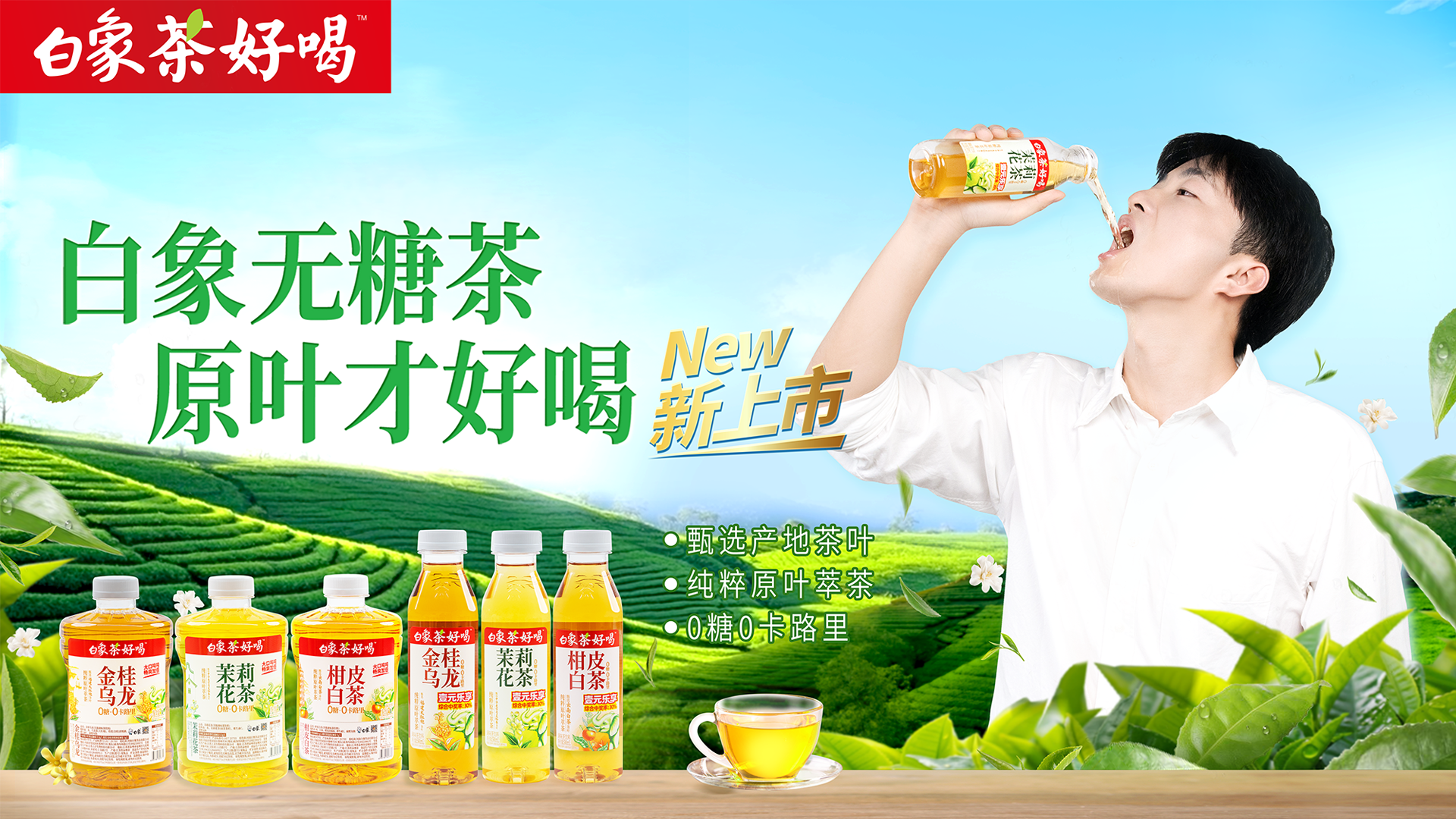
Baixiang Chahaohe
Designer Name
Zhang Ke、He Fuying、Chen Hu、Cai Qifan
Position of Designer
无
Target Consumer
Urban white-collar workers and students aged 18-35 are the main consumer group: They show a stronger willingness to try new things and are open to new products, providing ample opportunities for new brands; They have a strong sense of health awareness and demand for sugar control, and are willing to pay a premium for a quality lifestyle featuring "zero sugar and no burden".
Distribution Channels
大型商场 Shopping Mall; 小型商超和便利店 Supermarket & CVS
Positioning
大货消费品 Mass Production
Design Story
Based on the market demand for 1L large-capacity sugar-free tea drinks and the company's product line layout, we launched this packaging development project. At the beginning of the design, we established the core goal of achieving the optimal balance between cost and quality.
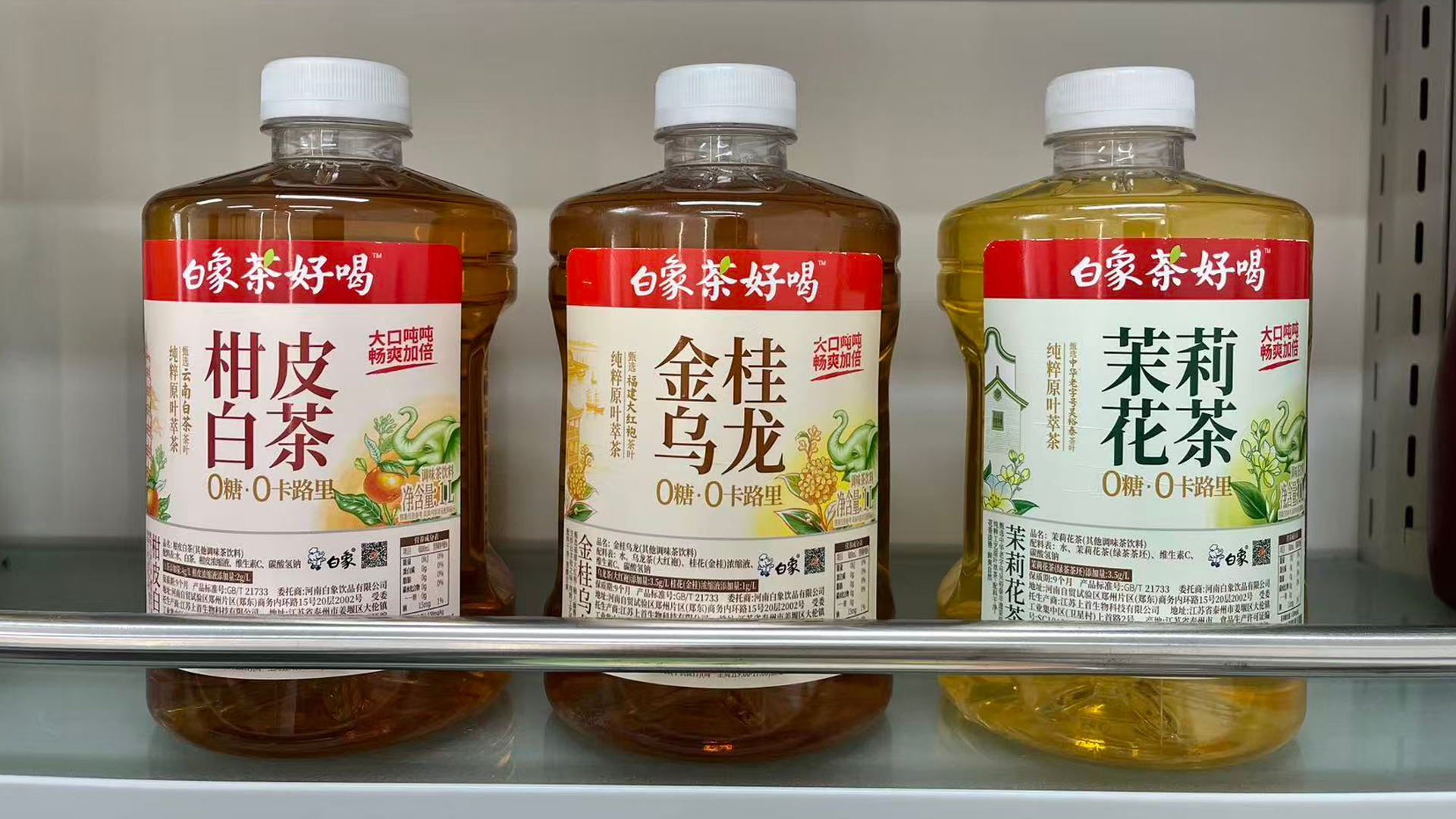
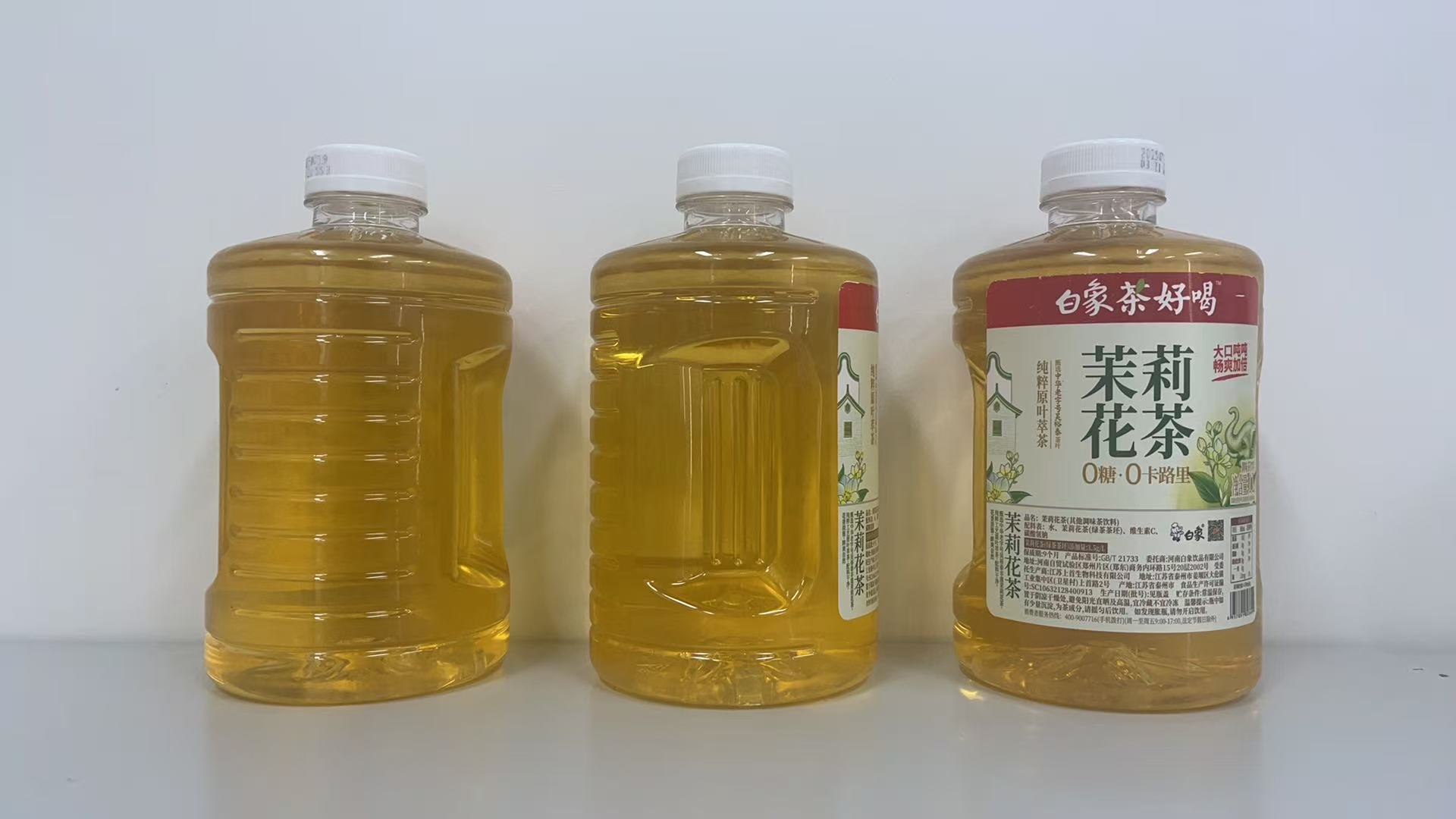
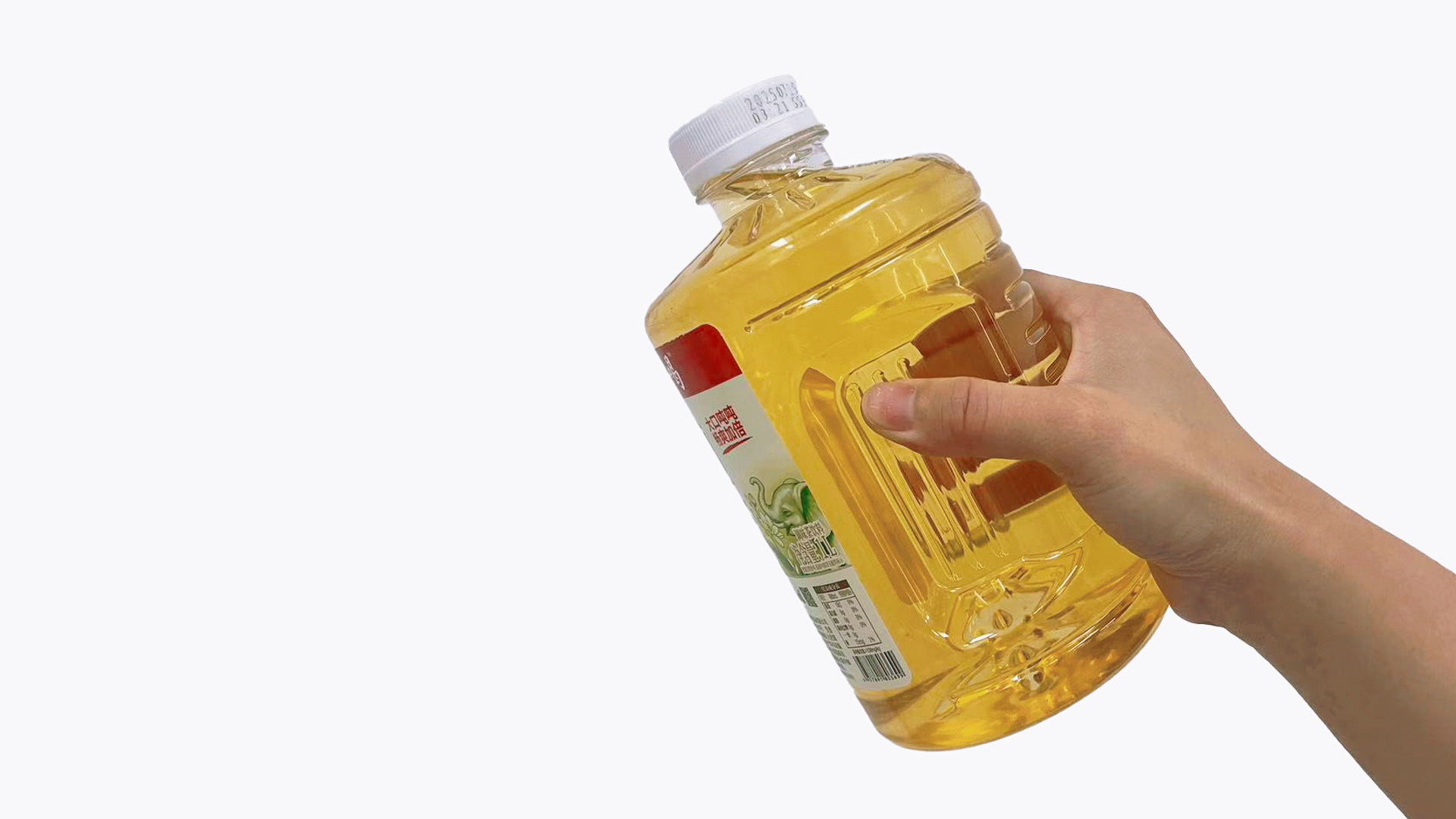
In terms of bottle structure, we adopted the "Dunton barrel" shape and added an invisible handle to the bottle, endowing the product with a soft grip and friendly appearance. We also optimized its lines to better align with the fresh tone of tea drinks. Considering cost factors, we innovatively introduced a precision rib structure on the bottle, reducing the preform weight to 50g. This key design significantly improved the bottle's compressive strength and vertical load strength while lowering the preform weight, effectively avoiding the risk of deformation during transportation and display.
Finally, we successfully created a packaging that integrates cost advantages, structural stability and visual appeal, achieving the harmonious unification of quality, cost and aesthetics.
Highlights
Most large-capacity sugar-free tea products on the market generally adopt a tall and slender bottle shape. This bottle shape takes "stable and mellow" as its core design language, building a differentiated competitive advantage:
It adopts the "Dunton barrel" shape, which combines affinity and uniqueness. It can form significant visual differentiation from similar products on terminal shelves, enhancing brand recognition. At the same time, the front display area of the bottle is relatively large, allowing for a more complete presentation of product information and visual design, which enhances consumer appeal and facilitates terminal conversion.
The bottle has a low center of gravity, paired with an invisible handle design and structural lines that fit the curve of the palm. It not only conforms to ergonomic principles but also optimizes force application efficiency. When pouring and drinking, it can effectively disperse hand pressure and ensure grip stability.
The two sides of the bottle are equipped with large-area horizontal reinforcing ribs. These ribs not only improve the overall structural strength of the bottle, effectively avoiding the risk of deformation and damage of large-capacity packaging during storage, transportation and use, but also enrich the visual hierarchy through horizontal textures, highlighting the product's sense of quality through detailed design.
Market Performance
/
Material(For concept works, please choose the material you plan to use)
PET塑料 PET material
Craft
The blow molding process for PET beverage bottles uses PET resin as the raw material. Leveraging the resin’s thermoplasticity, the material is heated to a high-elastic state (80-120°C) and then subjected to axial stretching and radial blow molding. This aligns the molecular chains in a directional manner, endowing the bottle with properties of high transparency, toughness, and airtightness.
The mainstream approach is the two-step method: first, injection molding is used to produce preforms; then, the preforms undergo heating and softening, stretch blow molding for shaping, and finally cooling and demolding. The one-step method is suitable for small-batch customization, while the two-step method is adapted for large-scale standardized production (15,000-30,000 bottles per hour).
This process boasts high efficiency and high material utilization. Additionally, it can be adjusted via parameter tweaks to fit bottle types of various capacities, meeting the packaging needs of beverage products.
Does the design solve the problems that are common across the product category? If so, please explain.
/
What functional designs of the work have enhanced the user experience?
The bottle adopts a "Dunton barrel" shape, concentrating its weight in the middle and lower parts to achieve a low center of gravity. This fundamentally addresses the "top-heavy" issue of large-capacity bottles when filled with liquid, reduces the eversion pressure on the wrist caused by imbalance, and eliminates the risk of tipping.
The accompanying invisible handle features a groove-type design that fits the natural curvature of fingers. The webbing of the hand can grip the internal force-bearing points, which not only does not compromise the bottle's sleek appearance but also forms a stable grip fulcrum, preventing slipping during pouring.
Did the design help increase the sales performance of the product? If so, please give related evidence.
/
Does the work consider sustainability (environmentally or commercially, or both)? If so, please explain.
The large-area structural textures on the bottle body are a core design that balances practical functionality and environmental value. By optimizing the horizontal mechanical structure to form uniform support, they can disperse transportation impacts, hand-held pressure, and stacking loads—greatly enhancing the shock resistance and deformation resistance of large-capacity bottle bodies, and fundamentally addressing the issue of easy damage in traditional large-capacity packaging. Meanwhile, replacing the traditional method of "thickening the bottle wall" with "structural reinforcement," they reduce the preform weight by 8%-12% while maintaining strength standards, cutting plastic usage. This not only aligns with the lightweight packaging trend but also achieves the dual value of "strength enhancement" and "green cost reduction."