
Country
U.S.A.(美国)
Official website
https://www.pepsico.com/
Company Introduction
PepsiCo products are enjoyed by consumers more than one billion times a day in more than 200 countries and territories around the world. PepsiCo generated more than $67 billion in net revenue in 2019, driven by a complementary food and beverage portfolio that includes Frito-Lay, Gatorade, Pepsi-Cola, Quaker and Tropicana. PepsiCo's product portfolio includes a wide range of enjoyable foods and beverages, including 23 brands that generate more than $1 billion each in estimated annual retail sales.
Images
Brand Name
Lay’s
Designer Name
PepsiCo Design & Innovation
Position of Designer
None
Client
PepsiCo
Target Group
Food Consumers
Major sales
E-commerce; Supermarket & CVS; Grocery
Positioning
Mass Production
Design Story
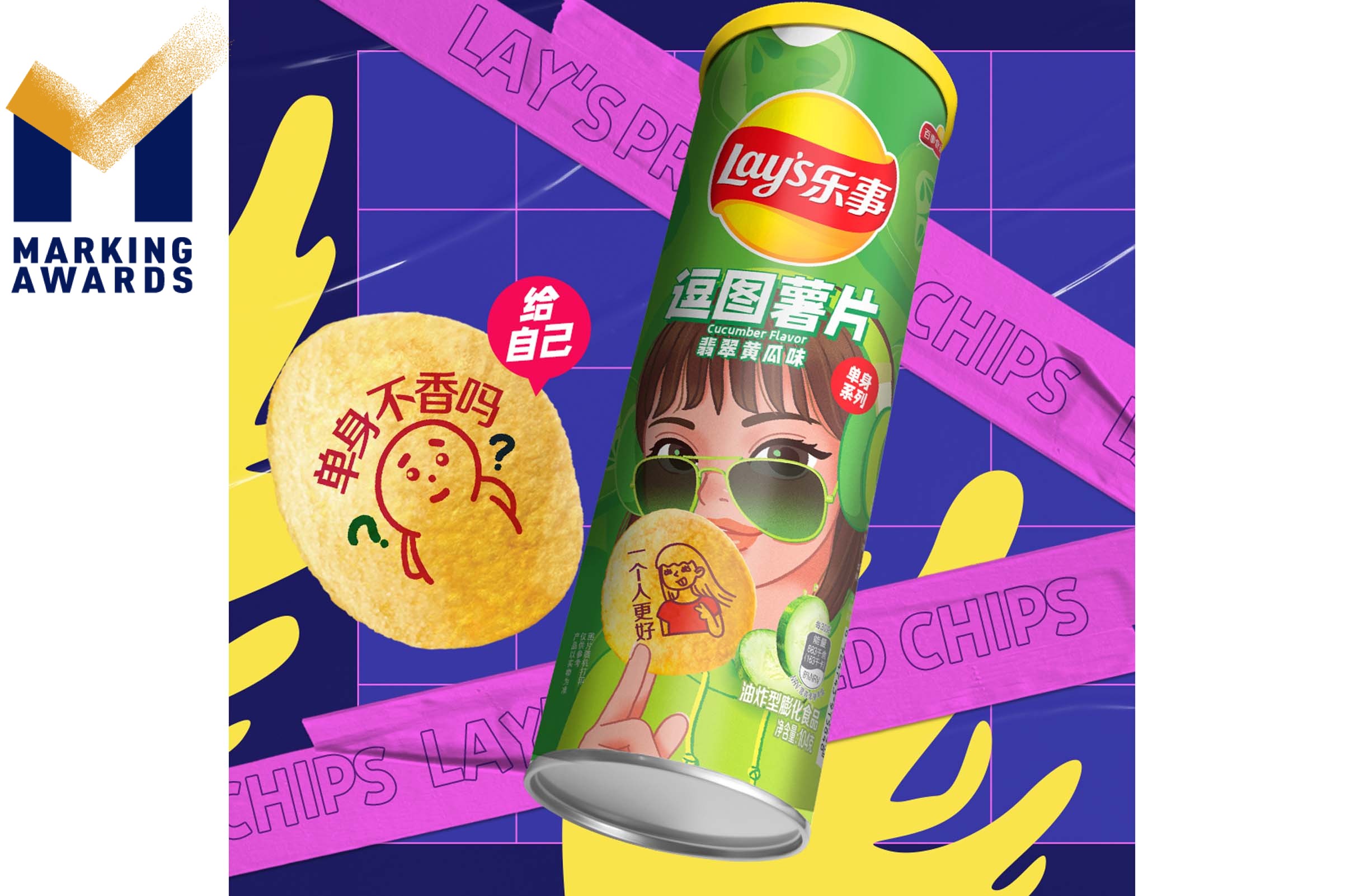
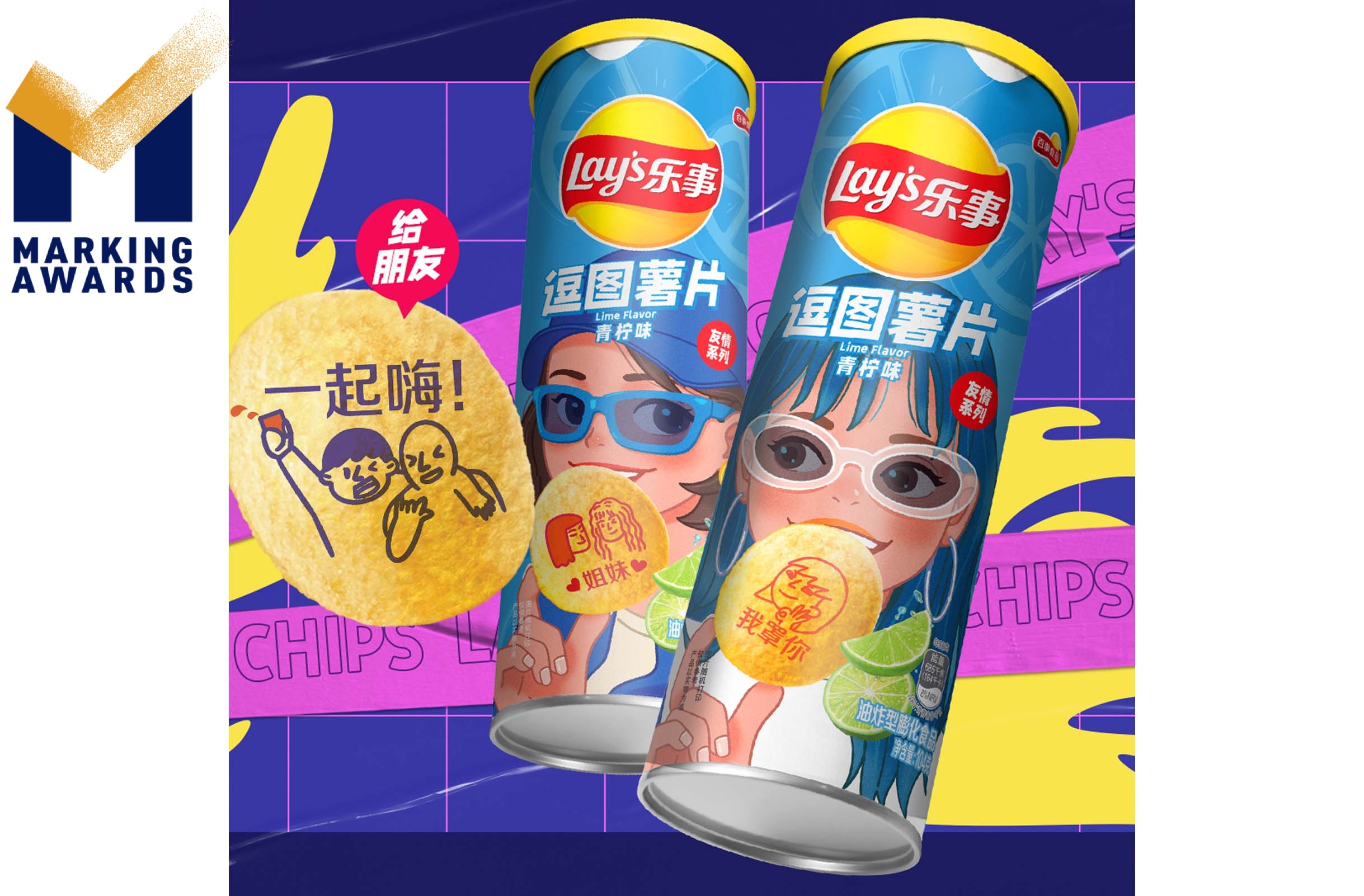
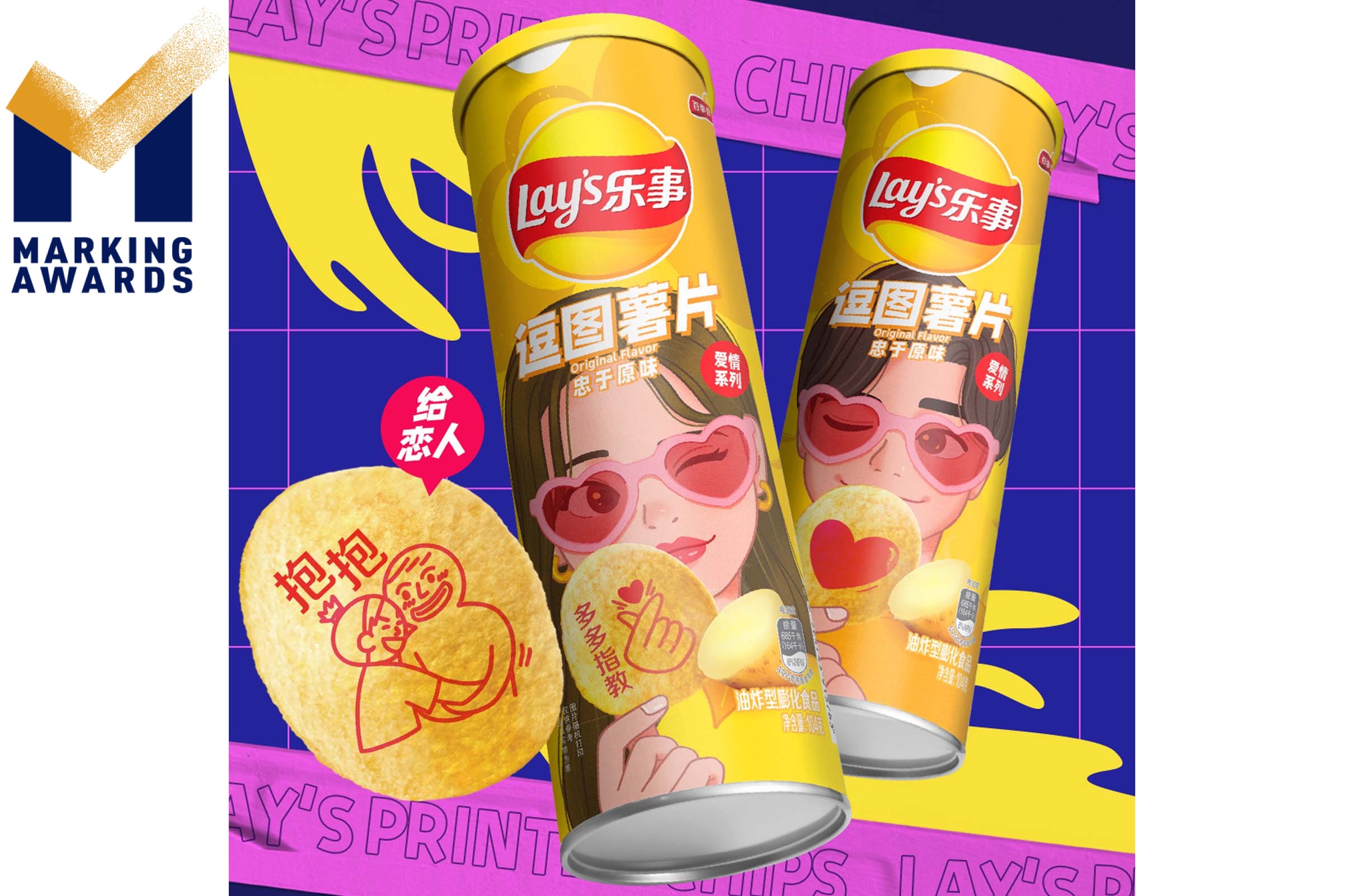
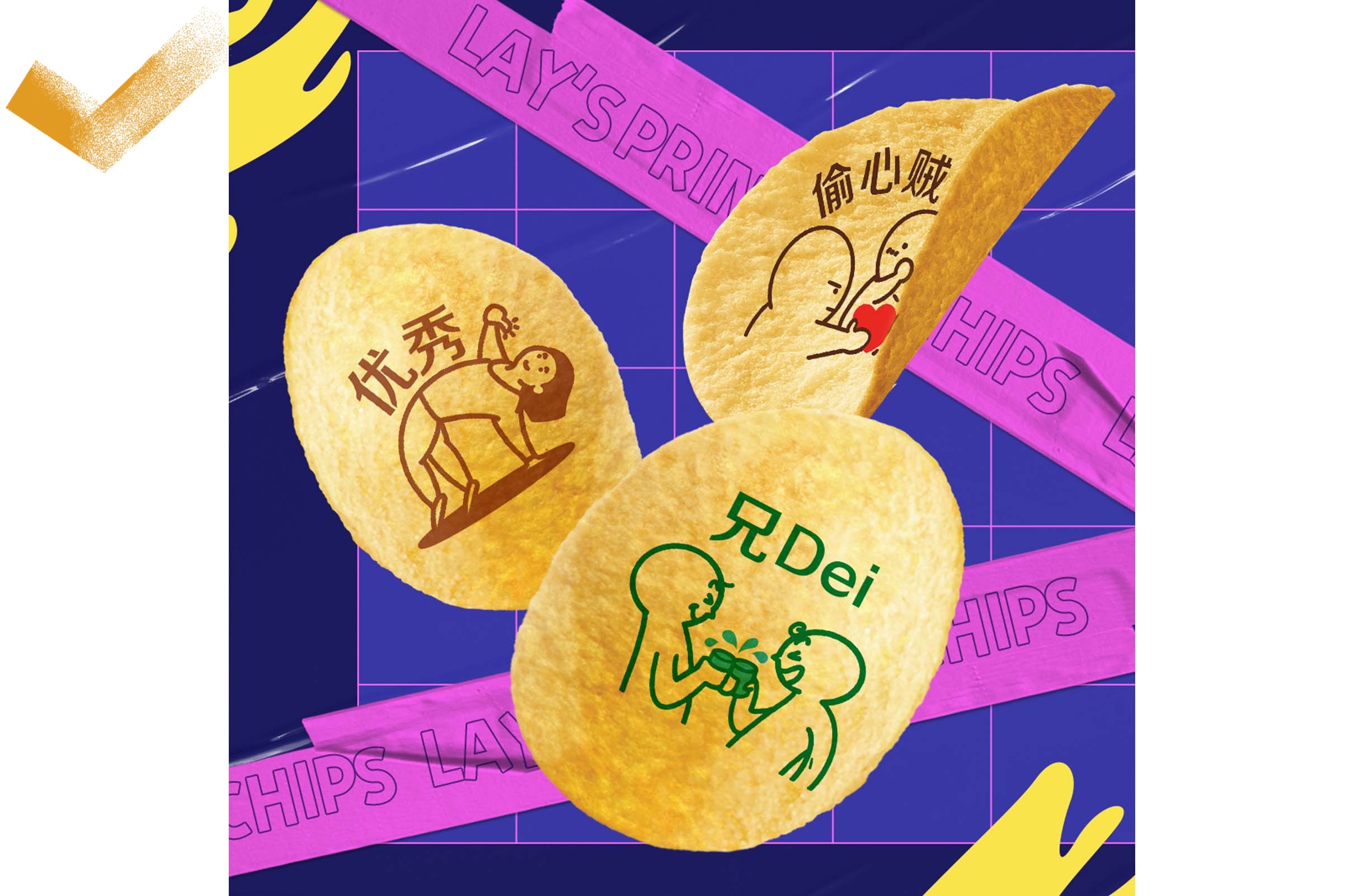
Lay’s is known worldwide for being present wherever good times happen. Lay’s STAX had established itself as a respected brand and snack of choice in the Chinese market, but there was a need to bring more fun and novelty to the product to attract the attention of the younger generations. Lay’s STAX Printed Chips is a Limited Time Offer (LTO) that applies design printing technology directly to the chips. This offers an exclusive and more personalized experience to the consumer, allowing them to enjoy culturally relevant meme-inspired cartoons and sayings, while generating greater organic social buzz and increasing engagement for Lay’s. The new approach to this STAX LTO started with digging into the mentality and preferences of young consumers. By gathering insights into the things this group values, Lay’s STAX is able to respond to and participate in current trends in a way that resonates with them. These real-life emoji and meme-inspired printed chips focus on three different groups: self, friends, and lovers. Each of these target focuses can be adapted with printed designs specifically made to echo both everyday situations as well as create unique messages for cultural festivals. The versatility of this idea, to be adaptable and scalable, helps build Lay's as an evergreen platform with future potential. For this LTO, the Design Team created Lay’s STAX packs that exude a youthful and bold personality, with images of illustrated people holding printed chips with a personalized message. Set against colorful backgrounds indicating each flavor, along with appetizing ingredient photography, consumers are empowered to choose the flavor and message that is right for them. The pack designs evoke the happiness and openness of Lay’s brand, encouraging young people's free expression and communication. Though Lay’s STAX recently launched, the versatility of these printed chips to be adaptable and scalable helps build Lay's as an evergreen platform with future potential.
Highlights
Lay’s STAX Printed Chips is a Limited Time Offer (LTO) that applies design printing technology directly to the chips. This offers an exclusive and more personalized experience to the consumer, allowing them to enjoy culturally relevant meme- inspired cartoons and sayings, while generating greater organic social buzz and increasing engagement for Lay’s.
Market Performance
Confidential
Material
Other
Craft
None
Does the design solve the problems that are common across the product category?
None
What functional designs of the work have enhanced the user experience?
Lay’s STAX Printed Chips is a Limited Time Offer (LTO) that applies design printing technology directly to the chips. This offers an exclusive and more personalized experience to the consumer, allowing them to enjoy culturally relevant meme- inspired cartoons and sayings, while generating greater organic social buzz and increasing engagement for Lay’s. These real-life emoji and meme-inspired printed chips focus on three different groups: self, friends, and lovers. Each of these target focuses can be adapted with printed designs specifically made to echo both everyday situations as well as create unique messages for cultural festivals.
Did the design help increase the sales performance of the product?
None
Does the work consider sustainability (environmentally or commercially, or both)?
None