

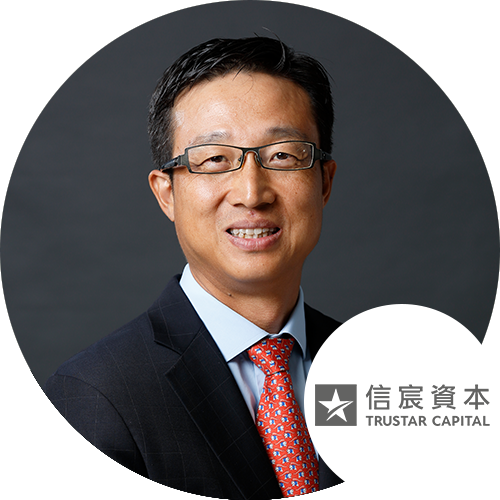
Mr. Eric Xin has participated in several landmark transactions, including Focus Media, Asiainfo, OmniVision, SF Express, McDonald’s China, Harbin Pharmaceutical Group, Guanshengyuan, and TrustLink.
Prior to joining the firm, Mr. Xin was a management consultant at McKinsey & Company in Shanghai and Washington D.C. where he focused on developing business strategies for global clients. Before that, he worked at China Leasing Co., Ltd., the largest leasing company in China and a subsidiary of CITIC Group.
Mr. Xin also serves as a resident mentor at Peking University’s Entrepreneurship Training Camp and as a mentor for the Tsinghua PBCSF Listed Company Capital Strategy Program. Mr. Xin received an MBA from the Harvard Business School with Honors and a B.A. in Economics from Beijing University.
It is becoming increasingly difficult to turn a profit in the Chinese market. From McDonald's and Yum! to Starbucks today, more and more foreign enterprises are handing over control, entrusting their heaviest and most complex operations to local teams. Behind this trend lies more than just a simple “transaction”—it represents a fundamental shift in roles.
For Chinese capital and operations teams, this is undoubtedly an opportunity, but it comes with a reality check: you are inheriting not just a reputable brand, but also immense growth pressure and a significant “brand royalty.” More importantly, the Chinese market today can no longer be navigated solely by a set of headquarters' SOPs; many decisions must be judged and owned locally.
Consequently, the questions have become very direct: How deep should investors get into the “playing field”? What is the systemic capability that truly supports a scale of ten thousand stores? Which breakthroughs in key capabilities allow a brand to truly keep pace, or even rebuild its competitive edge?