
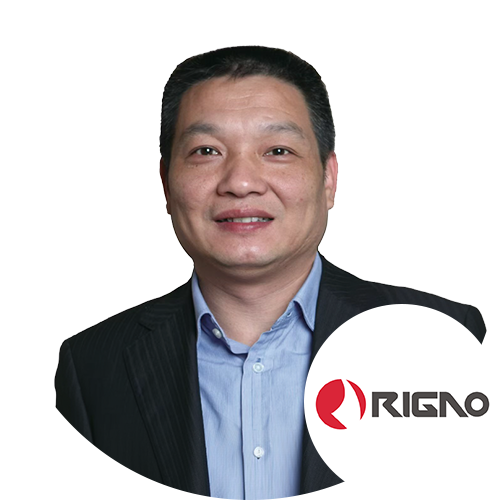
Mr. Chaowu Wu,Chairman of Zhejiang Rigao Intelligent Machinery Co., Ltd. He also serves as Chief Representative of AIPIA China and Member of the Packaging Planning Committee of China Packaging Federation.
With 30 years of industry experience, he founded Rigao Intelligent Machinery in 1996 and led the company to be listed on the NEEQ in 2015. He has presided over a number of national and provincial scientific research projects, been granted 23 patents, and participated in the drafting of national standards.
Committed to providing one-stop intelligent packaging solutions, he has been a driving force in promoting the intelligent and high-end upgrading of China’s packaging industry.
In the food industry, fewer than 5% of new products succeed despite heavy investment. As price competition intensifies, innovation is key—but how can it be brought to market faster and more reliably? How can promising products win the “last mile” of launch? Packaging and supply chain capabilities play a critical role.
This session brings together 15+ brand packaging leaders and 15+ equipment and packaging suppliers to explore key factors across the development process, from R&D to collaboration models—identifying what drives speed and success in product launches.
Brands will gain clearer strategies for supply chain collaboration, while suppliers will better understand brand needs and market dynamics. By breaking silos and reshaping partnerships, the industry can move from isolated optimization to true co-creation, improving the success rate of new products.