

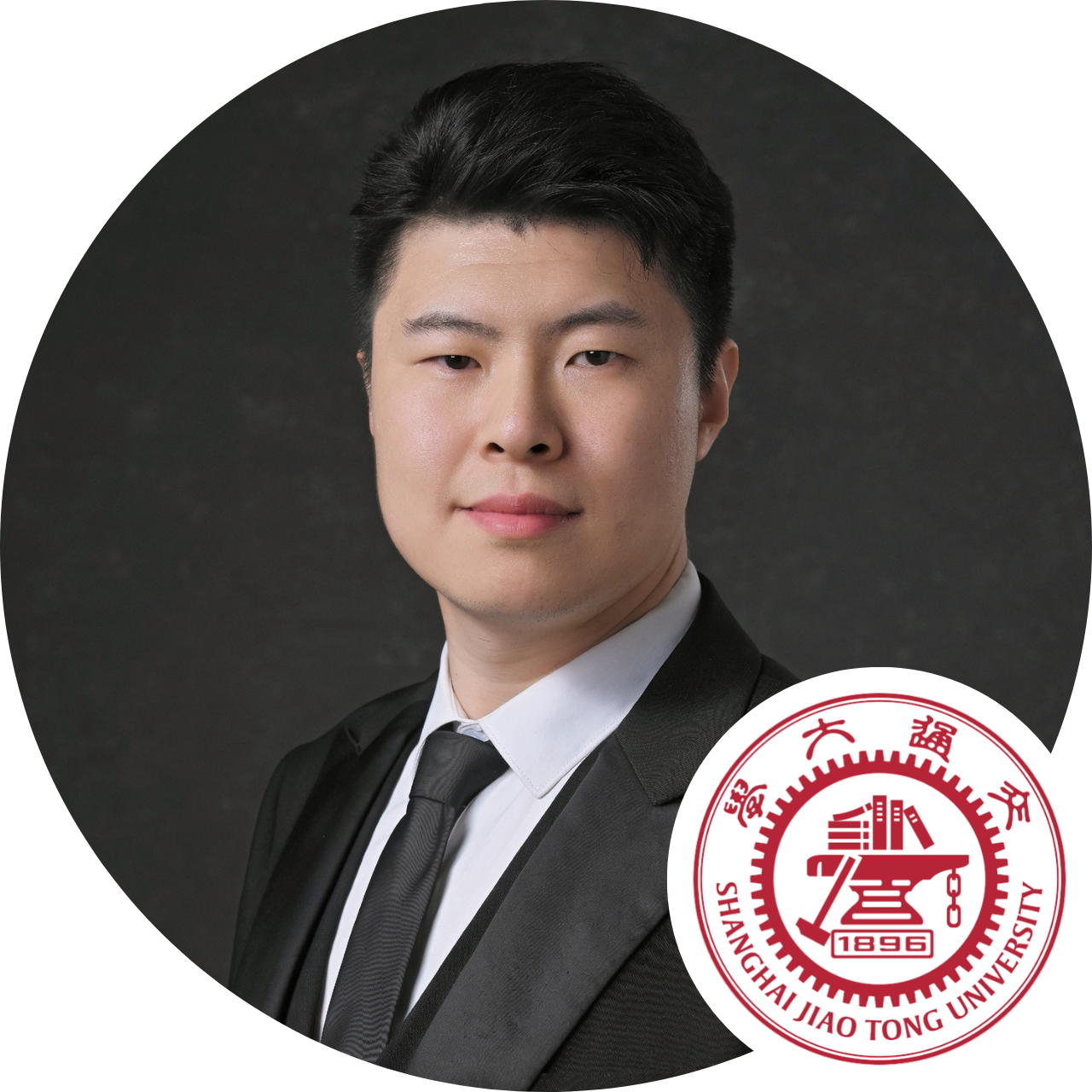
Ph.D. in Engineering, Assistant Researcher at the School of Agriculture and Biology, Shanghai Jiao Tong University. My research focuses on flavor perception, nutrition, and the improvement of food products. Have secured one grant from the National Natural Science Foundation of China and one Open Project from a State Key Laboratory. Additionally, participated in six national and provincial-level projects, along with several industry-sponsored research initiatives. Serve as a reviewer for international journals such as Food Research International. Scholarly output includes 16 papers, three monographs, contributions to two standards, and fourpatents, with two instances of successful technology transfer.
Based on Mordor Intelligence projections, the AI market in the food and beverage sector is expected to reach USD 29.94 billion by 2026, with a compound annual growth rate (CAGR) exceeding 45.8%. With AI, sensory analysis is no longer limited to subjective evaluation. It can accelerate product development, shorten innovation cycles, and improve the accuracy of predicting consumer acceptance. From E-Nose and E-Tongue to deep learning, and neurophysiological technologies, this session explores the latest AI-driven sensory analysis tools.